Beyond the Screen: How Haptic Feedback Technologies Integrate into Mobile Gambling Experiences
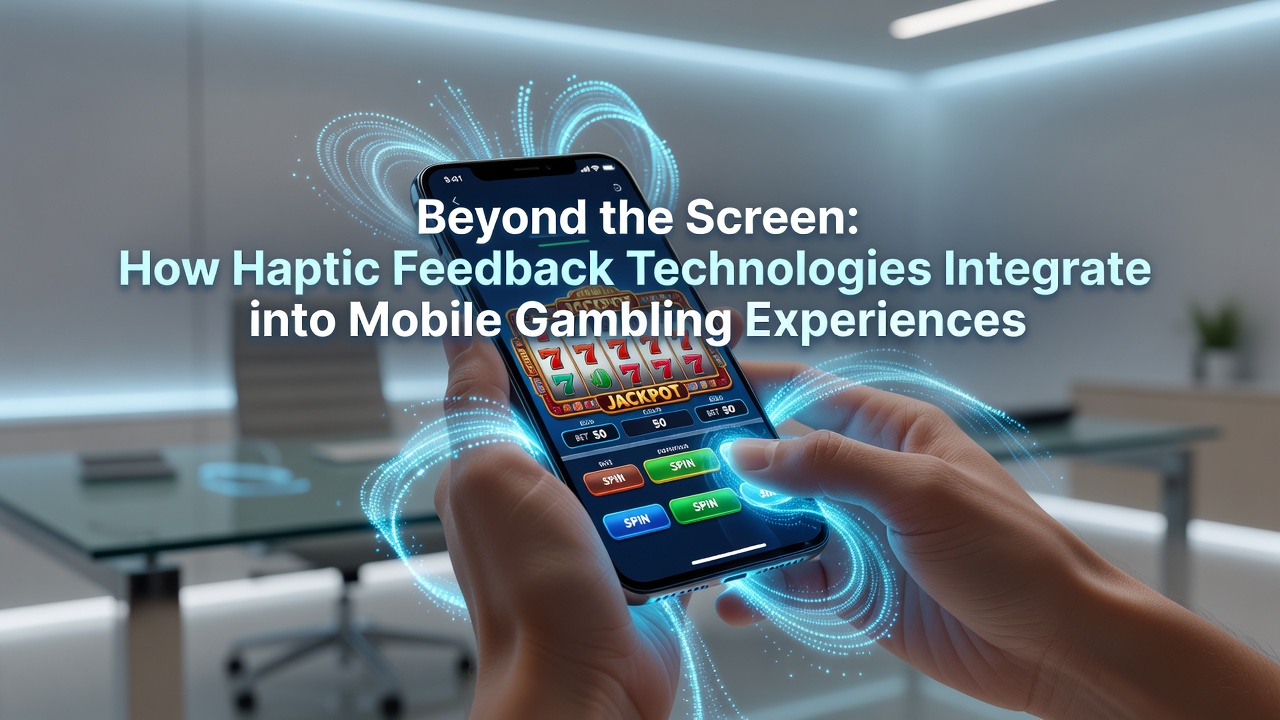
Haptic feedback technologies deliver tactile sensations through vibrations and force feedback in mobile devices, and these systems now play a growing role in mobile gambling applications by translating game events into physical responses that players feel directly on their phones or tablets. Developers integrate these features to simulate the click of reels stopping, the shuffle of virtual cards, or the pulse of a jackpot notification, all while operating within the hardware limitations of modern smartphones equipped with linear resonant actuators or eccentric rotating mass motors.
Core Mechanics Behind Haptic Integration
Modern mobile operating systems support precise haptic control through application programming interfaces that allow developers to trigger specific vibration patterns at varying intensities and durations, and this capability stems from advancements in actuator technology that replaced older binary buzz mechanisms with nuanced feedback sequences. In gambling apps the patterns align with game mechanics such as short pulses for near-miss outcomes on slot reels or sustained low-frequency rumbles during bonus round builds, creating layered sensory input that complements graphics and sound without requiring additional hardware beyond what ships standard in flagship devices released since 2020.
Research from academic institutions shows that synchronized haptics can influence player attention spans during extended sessions, though implementation varies widely across different software providers who must balance battery consumption against engagement metrics. Those who design these systems often calibrate patterns to regional device standards, ensuring consistency whether users operate iOS devices with their Taptic Engine or Android phones running customized vibration motors.
Practical Applications Across Game Types
Slot titles represent the most common testing ground for haptic features in mobile gambling, where reel spins end with distinct tactile markers that differentiate winning combinations from losses, and poker variants use similar cues to signal card draws or community pot updates during live dealer streams adapted for touchscreens. Table game interfaces further incorporate pressure-sensitive responses when players place chips on virtual felt, allowing the device to register varying bet sizes through graduated vibration strength that mirrors the weight of physical tokens.
Live casino environments on mobile platforms add another layer as dealers trigger remote haptic signals tied to card reveals or wheel spins, and data collected from operator logs indicates these additions appear in titles launched or updated throughout 2025 and into mid-2026. One study released in June 2026 tracked haptic usage across several licensed platforms and noted measurable differences in session length when feedback remained active versus disabled, though the findings focused solely on technical metrics rather than behavioral outcomes.
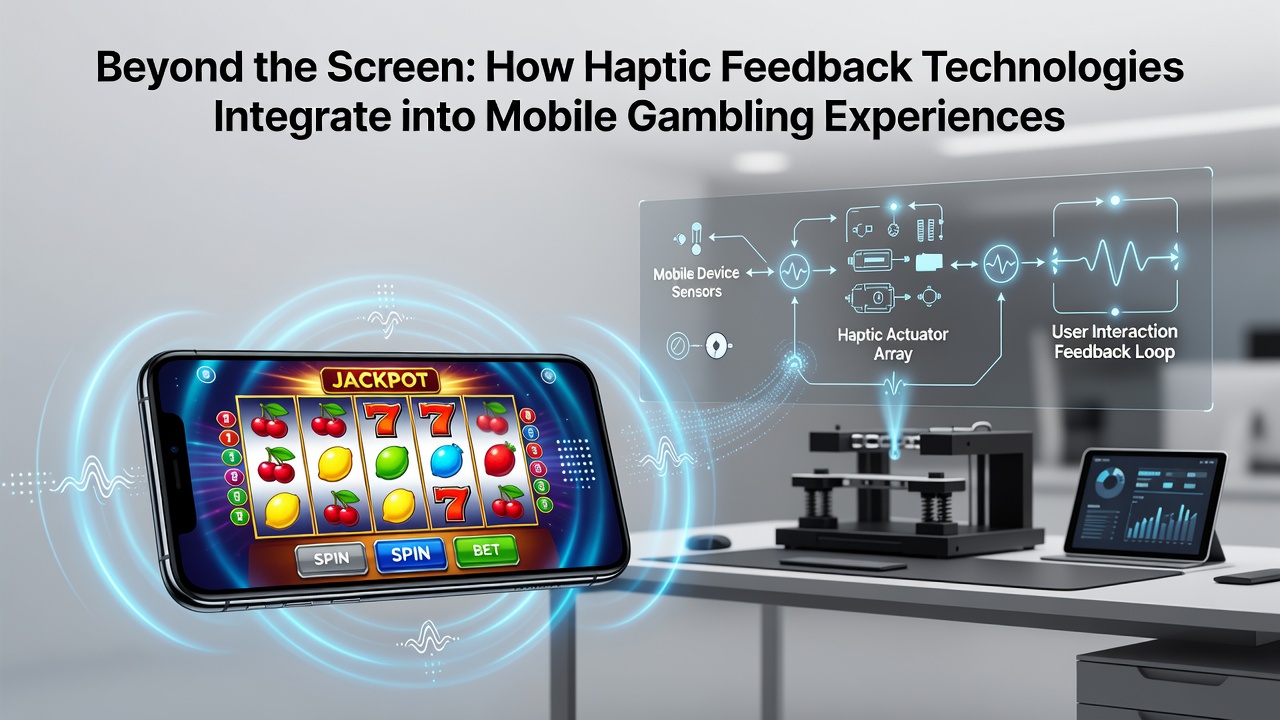
Technical and Compliance Considerations
Device manufacturers publish guidelines that developers must follow to avoid excessive power draw or unintended interference with accessibility features, and gambling operators coordinate with these specifications when certifying apps for distribution in regulated markets. Compliance frameworks in jurisdictions such as those overseen by the Nevada Gaming Control Board and the Alcohol and Gaming Commission of Ontario require that any sensory enhancements remain optional, allowing players to toggle haptics independently of core gameplay functions.
Software testing protocols now include dedicated checks for haptic consistency across device models, ensuring that older hardware still receives appropriate fallback patterns while newer models exploit higher-resolution actuators. Industry associations including the International Association of Gaming Regulators have documented these evolving standards in technical briefs that emphasize cross-platform compatibility without mandating specific implementations.
Future Directions in Sensory Design
Emerging prototypes explore ultrasonic haptics and electrostatic surfaces that could eventually move beyond simple vibrations toward textured surface simulation on flat screens, and early trials in non-gambling entertainment apps suggest potential crossover applications for mobile wagering interfaces. Integration timelines depend on hardware adoption rates, with analysts projecting broader availability once mid-range devices incorporate the necessary components by late 2027.
Current deployments remain concentrated among larger operators who maintain dedicated user experience teams capable of iterating on pattern libraries based on aggregated performance data, and smaller studios often license pre-built haptic modules from third-party providers to achieve similar results without extensive in-house development.
Conclusion
Haptic feedback continues to expand the sensory dimension of mobile gambling by bridging digital interfaces with physical responses that align to game events, and ongoing refinements in both hardware and software will likely sustain this trajectory across multiple regulatory environments. Observers tracking platform updates note steady incorporation of these features alongside other accessibility and engagement tools, resulting in increasingly layered experiences that respect device capabilities while meeting compliance requirements across borders.