Biometric Verification Layers Reshaping Access Protocols Across Multi-Licensed Digital Wagering Platforms
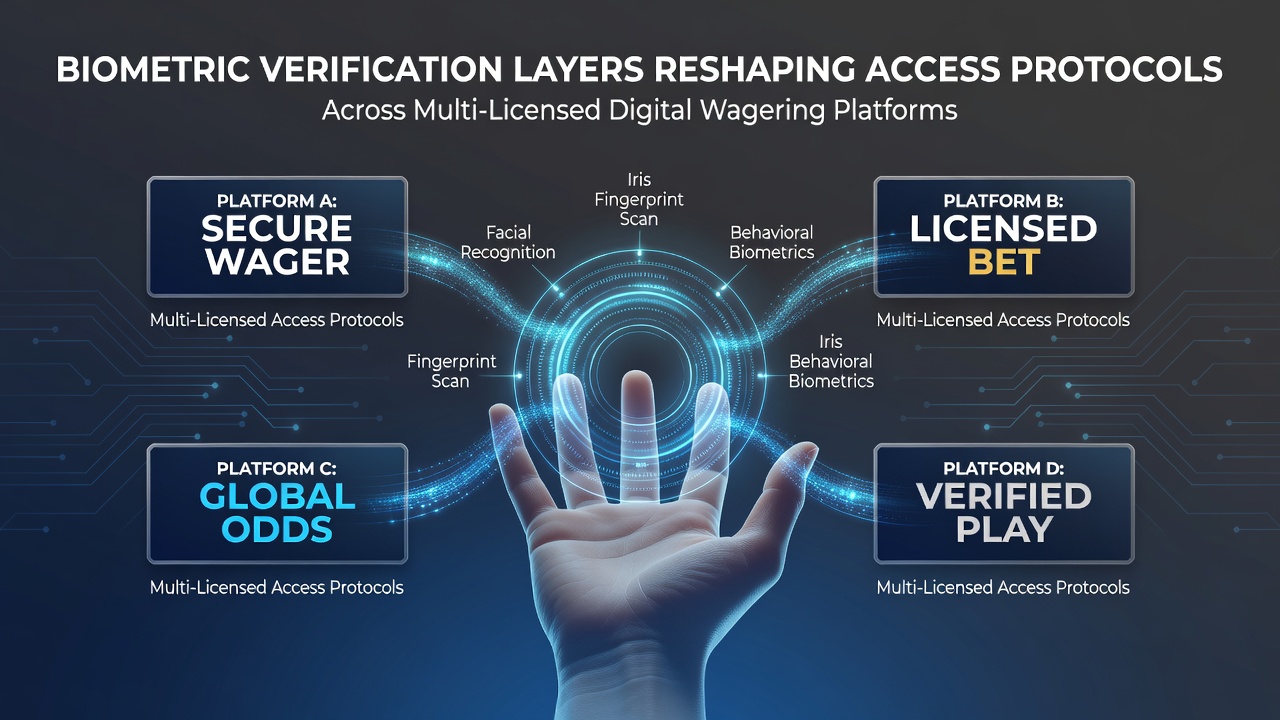
Multi-licensed digital wagering platforms now rely on layered biometric systems to manage user entry across separate regulatory zones, and this shift has accelerated since early 2025 as operators juggle compliance requirements from North American, European, and Asia-Pacific authorities. Fingerprint recognition, facial mapping, and voice pattern analysis combine in sequences that replace or supplement traditional password and document uploads, allowing platforms to meet distinct identity rules without creating separate login flows for each license.
Layered Systems Replace Single-Step Checks
Operators that hold licenses in multiple jurisdictions have moved away from one-time verification steps because regulators in different regions demand ongoing identity confirmation rather than a single initial check. A user logging in from a location governed by one set of rules may trigger facial recognition plus behavioral keystroke analysis, while the same account accessed under another license might add iris scanning at random intervals. These adaptive sequences emerged from technical standards developed by groups such as the National Institute of Standards and Technology, which published updated biometric performance benchmarks in late 2025.
Platforms report that combining two or three biometric factors reduces account sharing incidents because physical traits cannot be transferred the way credentials can. Data collected through these systems also feeds compliance dashboards that flag access attempts from unexpected geographic areas or devices, satisfying reporting obligations that differ between Canadian provincial regulators and Australian state authorities.
Technical Integration Across Jurisdictions
Software providers have built modular biometric modules that slot into existing platform architectures without forcing full rebuilds. One module handles liveness detection to distinguish between a live face and a photograph or video replay, while another module manages template storage in encrypted vaults that comply with data residency laws in each licensed territory. Operators that expanded into new markets during the first half of 2026 adopted these modules because they allow quick activation of jurisdiction-specific verification rules without touching core betting engines.
By June 2026 several large networks had completed pilot programs that ran parallel biometric and legacy verification paths, measuring completion rates and support ticket volumes. Results showed faster average onboarding times once users completed an initial enrollment scan, although first-time setup still required clear instructions delivered through in-app prompts.

Regulatory Drivers Behind Wider Adoption
Regulators have tightened rules around remote identity assurance because documented cases of account takeovers rose in 2024 and 2025. Authorities in New Jersey and several Canadian provinces now reference biometric performance metrics when auditing operator systems, while the Malta Gaming Authority has incorporated similar expectations into its updated remote gambling guidelines issued in spring 2026. These requirements converge on the need for verification methods that confirm the person accessing funds or placing wagers matches the registered account holder in real time.
Industry associations such as the European Gaming and Betting Association have published interoperability frameworks that encourage consistent biometric data formats across borders. The frameworks do not mandate specific hardware but emphasize audit trails that regulators can review without accessing raw biometric templates.
Operational Adjustments for Platform Teams
Support teams have adjusted workflows to handle biometric enrollment exceptions, such as users with temporary injuries affecting fingerprint quality or those operating in low-light conditions that affect facial recognition accuracy. Staff training materials now include scripts that guide users through alternative verification paths while maintaining compliance logs. Finance departments track the cost per successful verification because hardware subsidies for certain biometric readers appear in operator budgets submitted during license renewal processes.
Security teams monitor emerging spoofing techniques and update liveness detection algorithms quarterly, sharing threat intelligence through closed industry channels rather than public forums. This approach keeps response times short when new attack methods surface in one jurisdiction and threaten systems licensed elsewhere.
Future Trajectory Through 2027
Developers continue testing multimodal combinations that add gait analysis from device accelerometers or heart-rate patterns from wearable integrations, although these remain in controlled trials because regulatory approval for such data types varies widely. Platforms that already operate under five or more licenses have begun mapping which biometric layers satisfy the strictest rules, then applying those layers universally to simplify backend management.
Observers note that enrollment volumes increased noticeably after several operators introduced optional biometric shortcuts for frequent users in June 2026, suggesting that once privacy concerns are addressed through clear consent flows, adoption follows. The pattern indicates that biometric layers will expand from access control into transaction authorization steps within the next licensing cycle.
Conclusion
Biometric verification layers now form a core component of access protocols on multi-licensed digital wagering platforms because they address identity assurance demands that differ across regulatory boundaries while maintaining operational efficiency. Continued refinement of liveness detection, template protection, and cross-jurisdiction data handling will determine how quickly these systems extend beyond login into every stage of the wagering process.