Connections Between Emerging Transaction Security Measures and Adaptations in Wagering Approaches Across Bordered Online Gaming Zones
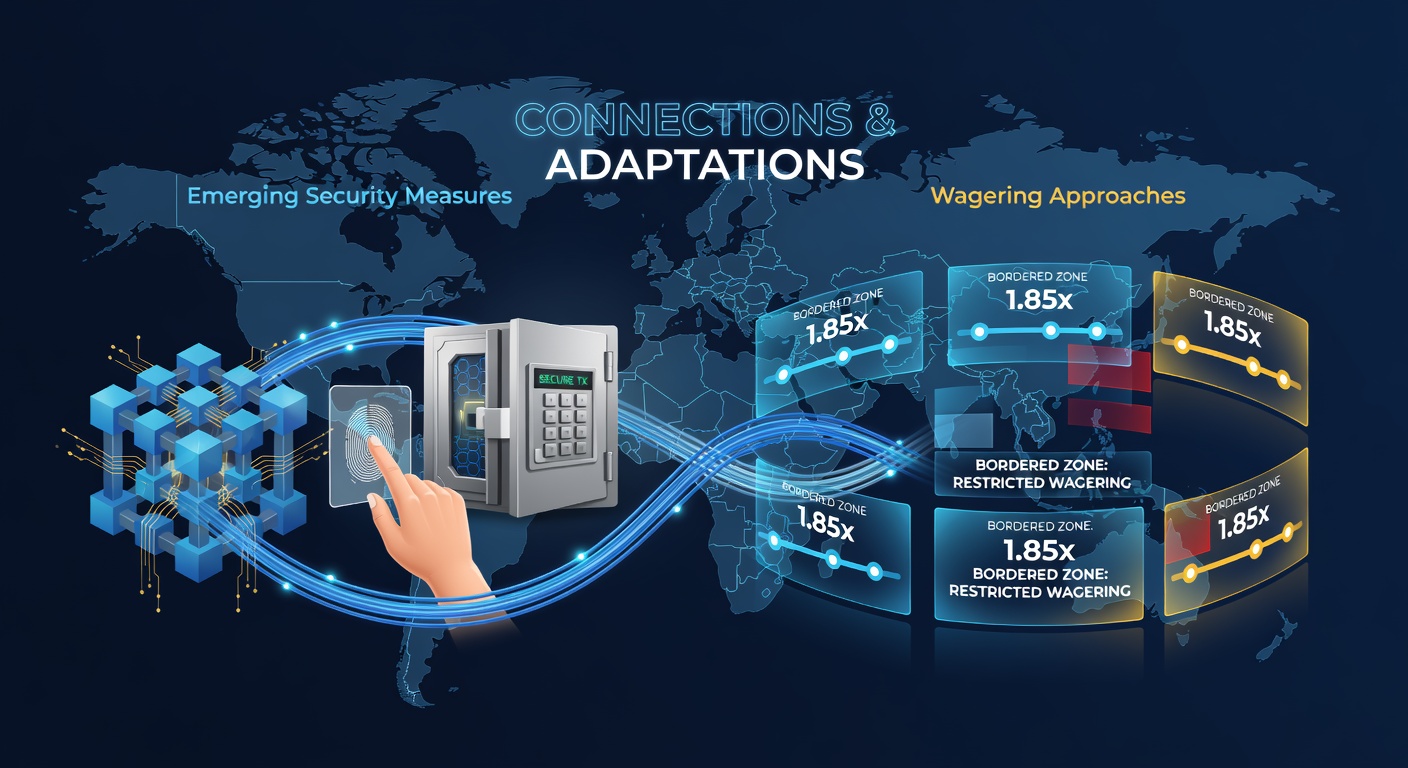
Transaction security technologies continue to reshape how operators handle player funds in regulated online gaming environments, while platforms adjust their wagering models to meet cross-border compliance demands. Data from industry reports shows that encryption protocols, multi-factor authentication systems, and real-time fraud detection tools now integrate directly with betting interfaces in multiple jurisdictions. These integrations prompt operators to modify payout structures, game pacing, and even the types of wagers they promote within each bordered zone.
Security Protocols Drive Structural Shifts in Betting Mechanics
Advanced security layers such as tokenization and biometric verification require operators to streamline transaction flows, which in turn influences how players place bets across different regulatory regions. Platforms in zones with strict data localization rules often adapt by introducing segmented wallet systems that separate deposit verification from active wagering balances. This separation reduces latency during high-volume betting periods yet maintains audit trails required by oversight bodies. Observers note that such adaptations appear most frequently in areas where regulators updated their transaction monitoring guidelines around mid-2025, setting the stage for further refinements expected by June 2026.
One study from the European Gaming and Betting Association examined how these security measures affect game selection and bet sizing. Findings revealed that operators in several member states shifted toward shorter-duration betting formats, including quick-play table games and instant-win mechanics, because enhanced verification steps lengthen the time between funding and first wager. The report indicated that these shorter cycles help maintain player engagement levels while satisfying new security benchmarks.
Regional Variations Shape Cross-Border Wagering Strategies
Operators managing platforms across multiple jurisdictions encounter distinct security mandates that force localized modifications to wagering offerings. In North American markets, for instance, state-level requirements around source-of-funds checks have led some platforms to limit certain parlay structures or restrict progressive jackpot contributions until full transaction clearance occurs. Australian regulators, through the Australian Communications and Media Authority, emphasize geo-fencing combined with device fingerprinting, which encourages operators to adjust live betting windows and in-play wagering options to align with real-time location confirmation processes.
Platforms serving Asian markets often incorporate blockchain-based ledgers for transaction logging because several regional authorities now accept distributed ledger records as part of their compliance documentation. This acceptance allows operators to offer higher-frequency micro-bets without triggering additional manual reviews, provided each transaction carries cryptographic proof of origin. Data indicates these adaptations have increased average session lengths in those zones by enabling faster settlement cycles while preserving security standards.
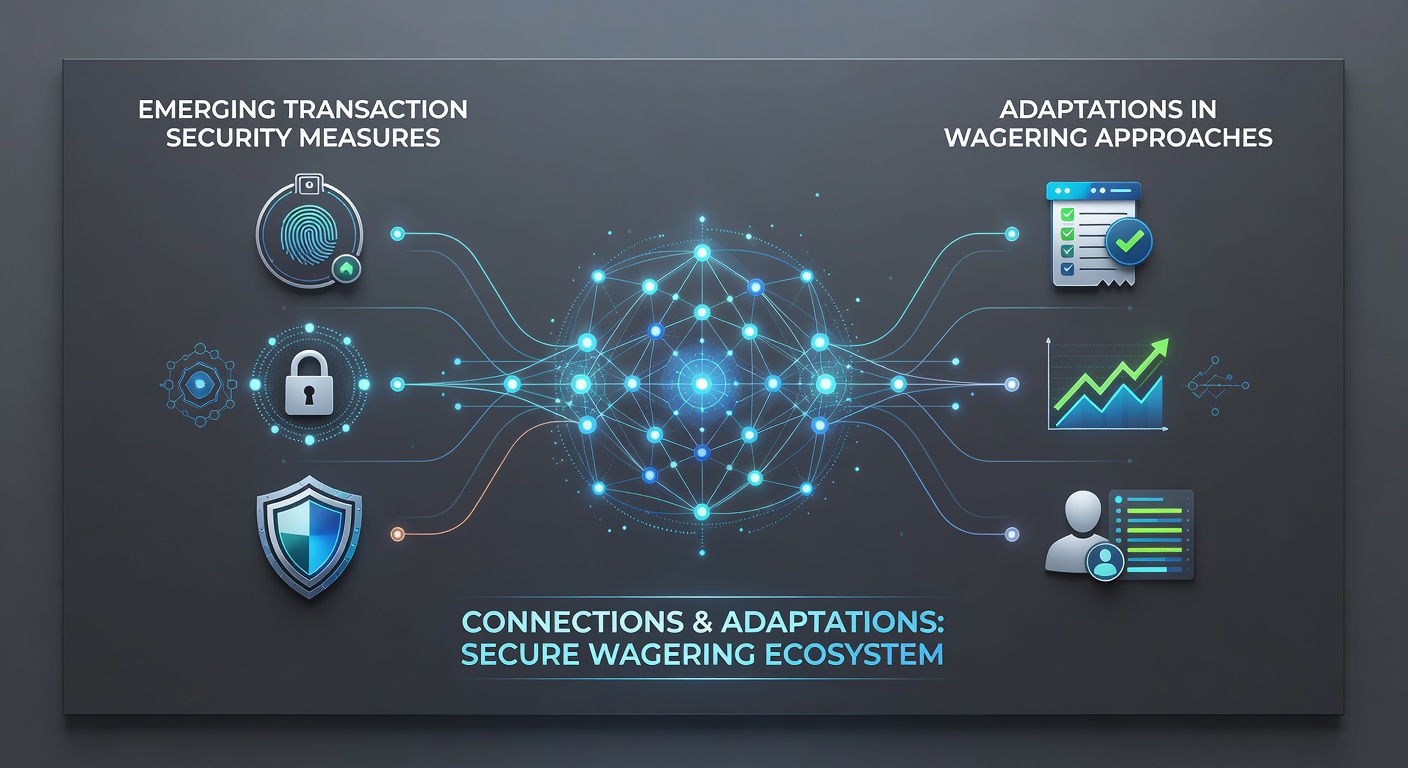
Payment Channel Innovations Influence Wager Accessibility
Emerging payment rails that embed security features at the protocol level, such as instant bank transfer systems with built-in fraud scoring, prompt operators to revise minimum deposit thresholds and withdrawal timelines. In jurisdictions where these rails gained regulatory approval during 2025, platforms expanded their range of accumulator bets and multi-leg wagers because faster funding reduced the risk of abandoned bets during extended verification windows. Conversely, zones that still rely on older card networks maintain stricter bet-type restrictions to compensate for slower clearance times.
Research conducted by the International Centre for Gaming Regulation at the University of Nevada documented how these payment-driven changes affect player behavior patterns. The analysis covered transaction data from licensed operators across three continents and showed measurable increases in smaller, more frequent wagers in regions adopting next-generation security protocols. Larger single bets remained more common in areas where security upgrades lagged behind payment infrastructure improvements.
Compliance Timelines and Platform Adjustments Through 2026
Regulatory calendars set for June 2026 include several updates that tie new security certification requirements directly to wagering product approvals. Operators preparing for these deadlines have begun testing hybrid models that combine traditional random number generator games with blockchain-verified side bets. These models satisfy both security auditors and regional gaming boards while allowing platforms to maintain diverse betting menus across borders.
Case examples from Canadian provincial operators illustrate how security adaptations translate into concrete wagering changes. One major platform introduced time-stamped transaction receipts that double as audit markers, enabling the addition of live dealer games with real-money side bets that previously faced restrictions due to verification delays. Similar adjustments appear in European markets where operators align security upgrades with scheduled compliance reviews.
Conclusion
Transaction security advancements adn wagering adaptations continue to intersect across bordered online gaming zones as operators respond to evolving regulatory frameworks. Evidence from multiple regions demonstrates that security measures influence bet pacing, game formats, and payment thresholds while platforms adjust offerings to maintain compliance without sacrificing operational viability. As June 2026 approaches, further alignments between security protocols and wagering mechanics will likely emerge from ongoing regulatory and technological developments.