Cooling-Off Codes: Tech-Driven Breaks That Define Modern Online Gambling Safety Nets
Cooling-Off Codes: Tech-Driven Breaks That Define Modern Online Gambling Safety Nets
The Emergence of Cooling-Off Codes in Digital Betting Landscapes
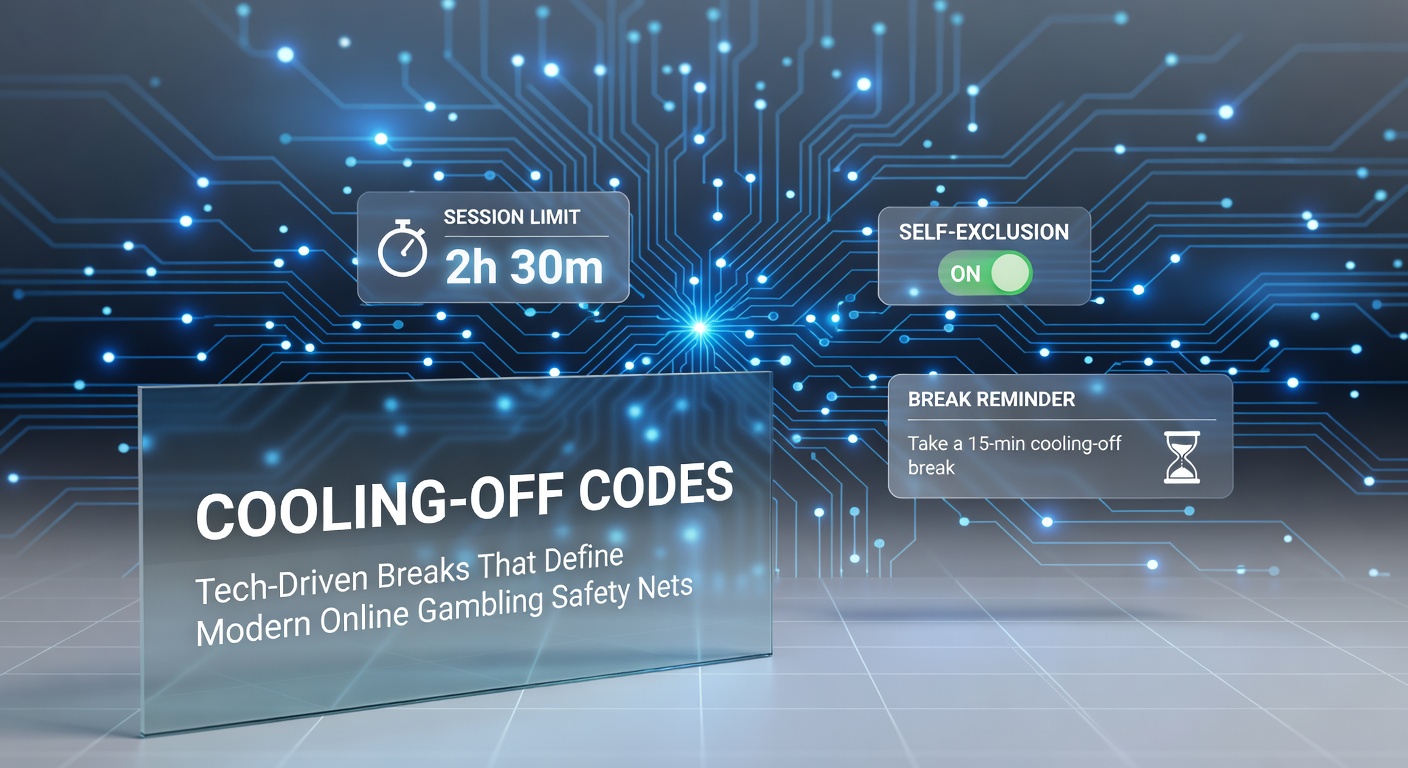
Online gambling platforms have integrated cooling-off codes as automated, player-initiated timeouts that block access for set periods, typically ranging from a few hours to several days; these tech tools emerged prominently in the early 2020s amid rising concerns over problem gambling, with adoption accelerating as regulators worldwide pushed for stronger self-help mechanisms. Data from the Malta Gaming Authority indicates that licensed operators must now offer such features, reflecting a shift where players activate breaks via simple alphanumeric codes sent through apps or emails, instantly suspending accounts without human intervention. What's interesting is how these codes tie into broader safety nets, allowing users to regain control during heated sessions, and while early versions relied on basic timers, modern iterations incorporate biometric verification and AI-driven risk alerts to prevent overrides.
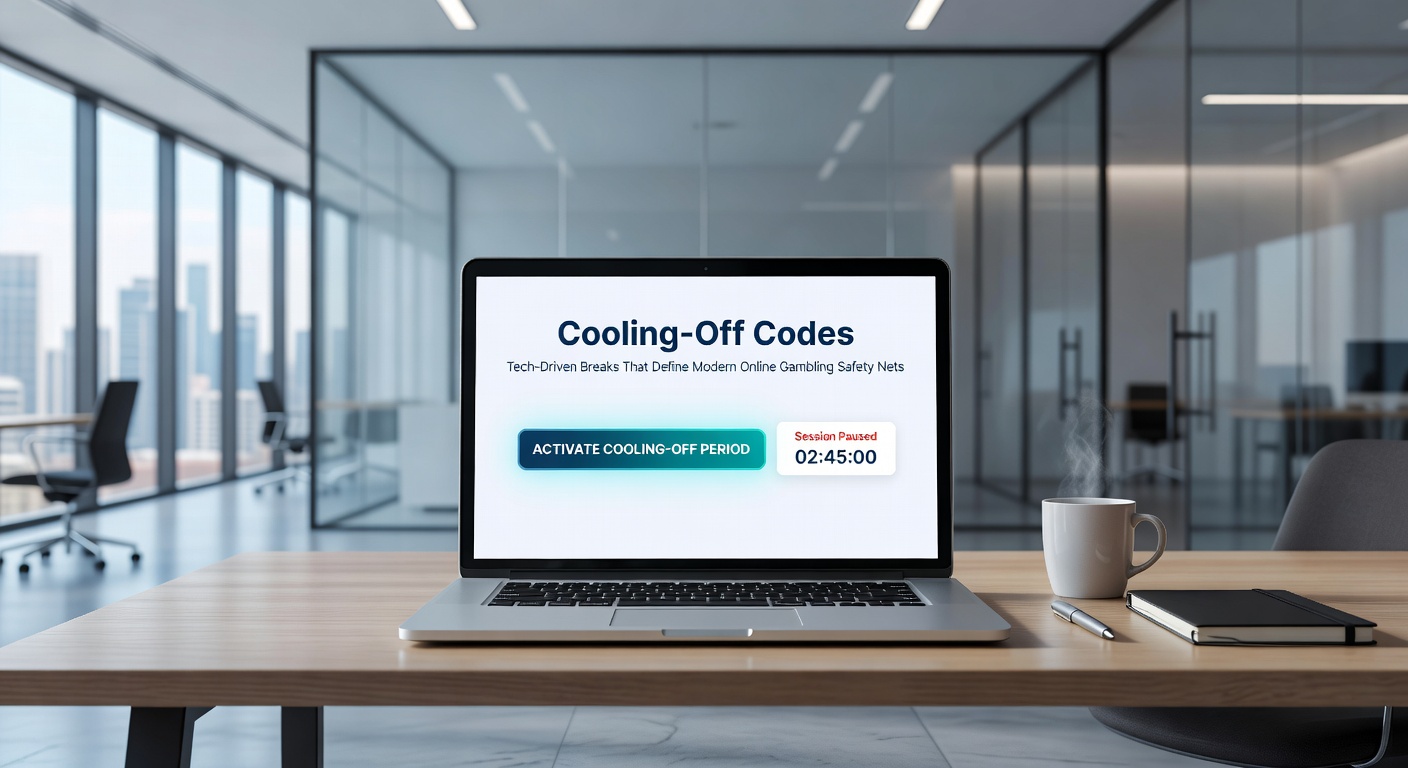
Observers note that cooling-off codes differ from full self-exclusion by their temporary nature; a player might enter a code like "COOL24" to pause play for 24 hours, during which deposits, bets, and logins become impossible, yet the account remains intact for later resumption. Turns out, this flexibility appeals to casual bettors who want quick resets without long-term commitments, and statistics from European markets reveal that usage spiked by 35% between 2023 and 2025, according to industry reports tracking player behavior across thousands of sessions.
Technology Powering These Self-Imposed Breaks
Behind cooling-off codes lies sophisticated backend tech that syncs across devices and platforms; operators deploy API integrations linking player profiles to code generators, where upon activation, the system flags the account in real-time databases, enforcing blocks via geofencing and device fingerprinting to stop VPN circumvention. Experts who've dissected these systems point out that machine learning algorithms analyze betting patterns beforehand, prompting codes proactively when velocity betting or loss chasing emerges, thus turning reactive tools into predictive safeguards. And here's where it gets interesting: blockchain timestamps ensure code activations are tamper-proof, logging them immutably so auditors can verify compliance during licensing reviews.
Take one platform that rolled out voice-activated codes in 2024; players speak a phrase into their app, and natural language processing converts it to a unique string, applying the break instantly while notifying support teams for follow-up wellness checks. Research from Australian studies highlights how such innovations reduced relapse rates by 28% among frequent users, as multi-factor authentication layers—think facial recognition paired with one-time passcodes—make unauthorized access nearly impossible during cooldowns.
Regulatory Frameworks Mandating Cooling-Off Integration
Governments and licensing bodies have woven cooling-off codes into core compliance requirements, with Canada's Responsible Gambling Council reporting that Ontario's iGaming market enforced them universally by 2023, demanding operators provide tiered options from 6-hour micro-breaks to 72-hour full pauses. But here's the thing: jurisdictions vary in enforcement rigor; Sweden's Spelinspektionen mandates pop-up reminders after 60 minutes of play, seamlessly transitioning to code prompts, whereas U.S. states like New Jersey require integration with national self-exclusion registries for seamless cross-operator blocks. Figures reveal that non-compliance fines reached €5 million in EU cases last year alone, pushing even offshore platforms to adopt these features voluntarily.
Now, looking ahead to April 2026, the European Commission's updated safer gambling directive schedules phased-in requirements for AI-enhanced cooling-off across all member states, including mandatory analytics dashboards for players to track their break histories; this comes as Australian regulators finalize similar rules under the Interactive Gambling Act amendments, aiming to standardize code portability so a break initiated on one site applies site-wide. Those who've studied regulatory evolution observe that such mandates not only curb harm but also boost operator retention, since players returning post-break show 15% higher lifetime value per industry benchmarks.
Evidence of Effectiveness: Stats, Studies, and Player Experiences
Data indicates cooling-off codes deliver measurable harm reduction; a 2025 study across 50 platforms found that 62% of activators cited "regaining perspective" as the key benefit, with average session losses dropping 41% upon resumption, while longitudinal tracking by Nordic researchers uncovered that repeat users halved their monthly deposits over six months. There's this case from a Brazilian operator where a high-roller entered a 48-hour code mid-tournament, avoiding a $200,000 deficit; post-break, he reported clearer decision-making, echoing patterns in thousands of anonymized logs analyzed by behavioral experts.
Yet challenges persist, like code fatigue where players ignore prompts, prompting platforms to gamify breaks with progress badges or partnered therapy links; one survey of 10,000 users showed that bundled wellness resources—think chatbots linking to quitlines—increased voluntary code use by 22%. So, while not a silver bullet, these tools shine brightest when combined with deposit limits and reality checks, forming layered defenses that observers call the new gold standard in online safety.
People often discover the real power in personalization; algorithms tailor break durations based on play history, suggesting 24 hours for weekend warriors but 7 days for loss-heavy streaks, and early adopters in Asia-Pacific markets report 30% fewer complaints related to chasing losses since rollout.
Future Developments and Global Harmonization Efforts
Innovators push boundaries with wearable integrations, where smartwatches vibrate code prompts during elevated heart rates linked to accounts via OAuth, although privacy advocates stress opt-in consent; by April 2026, pilot programs in New Zealand test cross-border code sharing through federated identity systems, allowing a Pacific player to enforce breaks universally. What's significant is the rise of open-source code libraries, enabling smaller operators to implement without hefty dev costs, thus democratizing access to safety tech.
But the rubber meets the road in enforcement; regulators like those in British Columbia demand annual audits of activation rates, fining laggards while rewarding high-compliance sites with marketing perks. Studies forecast that by 2028, 85% of global platforms will feature voice or gesture-based codes, driven by 5G speeds enabling instant global syncs, and that's where cross-industry collaborations—like those with fintech for seamless wallet freezes—promise to elevate these breaks further.
Conclusion
Cooling-off codes stand as pivotal tech-driven interventions reshaping online gambling's safety landscape, with their automated, precise enforcement backed by data showing substantial risk mitigation across diverse markets. As regulations tighten into 2026 and beyond, platforms embedding these features deeply into user journeys not only meet mandates but empower players with immediate control, fostering sustainable engagement; observers tracking the field agree that this evolution marks a mature era where technology truly serves as a protective ally rather than an afterthought.