Cultural Symbolism Embedded in Digital Reel Configurations Across Jurisdictional Boundaries

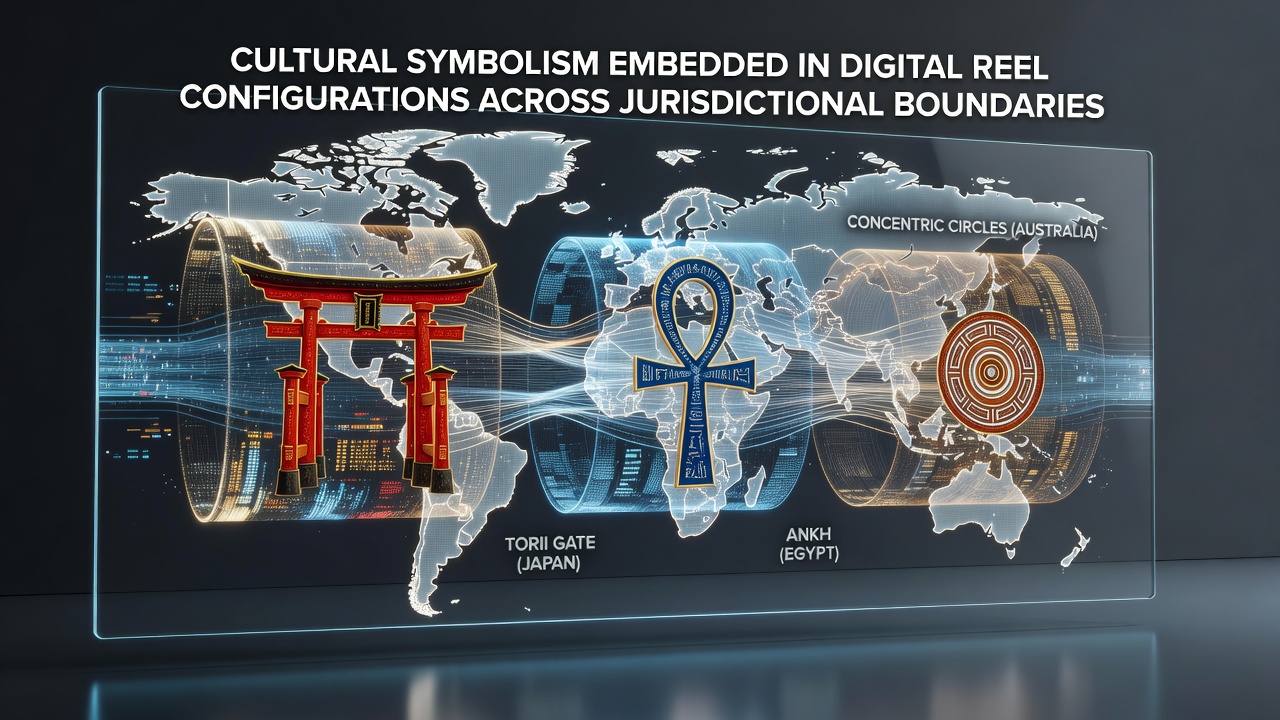
Digital reel configurations in online gaming platforms incorporate cultural symbols that reflect local traditions while navigating strict regulatory frameworks in different jurisdictions, and developers adjust icon sets, animations, and payout structures accordingly to maintain compliance across borders. These adaptations appear in everything from Asian-inspired titles featuring dragons and lanterns to North American games highlighting indigenous motifs such as eagles and dreamcatchers, with each market imposing unique constraints on how symbols can be represented or combined.
Regional Symbol Adaptations in Practice
Markets in East Asia often prioritize symbols drawn from mythology and festivals, whereas European jurisdictions emphasize historical or folk elements that align with consumer expectations without triggering content restrictions. In Canada, for instance, operators integrate First Nations artwork into reel designs under guidelines issued by provincial regulators, and these elements must receive community approval before deployment. Data from industry reports show that such localized configurations increase player retention rates in targeted regions by aligning visual themes with cultural familiarity, while global platforms maintain separate reel libraries for each licensed territory.
Developers working across multiple jurisdictions frequently employ modular design systems that swap symbol sets based on geolocation data, and this approach allows a single game engine to present culturally appropriate reels without violating local laws. Researchers at academic institutions have documented how certain symbols, including religious icons, undergo modification or complete removal when crossing from permissive to conservative regulatory environments.
Regulatory Frameworks Shaping Symbol Choices
Jurisdictional boundaries create distinct rules around cultural representation, and authorities in Australia require that indigenous symbols receive explicit permissions from relevant Aboriginal groups before appearing on digital reels. Similar processes exist in parts of the United States where tribal gaming commissions review proposed iconography for accuracy and respect. In June 2026, several Canadian provinces updated their cultural consultation protocols, requiring additional documentation for any new reel configurations that reference traditional stories or artifacts.
European Union member states apply content guidelines that discourage stereotypes, which leads studios to consult historians and cultural experts during the design phase. These reviews influence everything from color palettes to animation sequences, and the resulting reels often feature subtle rather than overt references to avoid misinterpretation across diverse player bases. Observers note that platforms operating in multiple regions maintain detailed compliance matrices that map acceptable symbols against each territory's current regulations.
Technical Implementation Across Borders
Software providers use geofencing technology combined with player account data to deliver the correct reel configuration, and this system ensures that symbols remain consistent with the jurisdiction where the account is registered. Backend databases store multiple versions of each game, with metadata tags indicating which cultural elements are active in specific regions. Studies conducted by gaming research centers indicate that these layered approaches reduce regulatory incidents while preserving the thematic integrity intended by original designers.
Animation timing and sound effects tied to particular symbols also vary by market, because certain audio cues may carry different cultural weight depending on the audience. Teams responsible for localization therefore adjust not only visual assets but also the mathematical models that determine how frequently culturally significant symbols appear on the reels. This dual focus on visuals and probabilities helps operators meet fairness standards while respecting symbolic hierarchies that matter to local players.
Cross-Border Challenges and Solutions
Platforms serving international audiences encounter situations where a symbol acceptable in one country conflicts with rules in another, and legal teams resolve these conflicts through careful asset segmentation rather than uniform global releases. Industry organizations such as the European Gaming and Betting Association have published frameworks that guide developers on balancing creative expression with cross-jurisdictional requirements. Those frameworks emphasize early-stage cultural review processes that prevent costly redesigns after launch.
Academic papers examining reel configurations have highlighted how certain motifs travel successfully across borders when stripped of specific religious associations, and designers therefore create abstracted versions that retain visual appeal without triggering objections. Data collected from player behavior logs further reveals that culturally resonant symbols, when properly adapted, correlate with longer session durations across varied regulatory landscapes.
Conclusion
Cultural symbolism in digital reel configurations continues to evolve as regulators and developers refine their approaches to localization, and the interplay between tradition and technology shapes how these games appear in different markets. Ongoing collaboration between cultural advisors, legal experts, and technical teams supports the creation of reel sets that function effectively across jurisdictional boundaries while honoring the distinct identities embedded in each region.