Leveling Up Engagement: Gamification Mechanics That Keep Online Casino Players Hooked
Leveling Up Engagement: Gamification Mechanics That Keep Online Casino Players Hooked
The Rise of Gamification in Online Casinos
Online casinos have turned to gamification mechanics to boost player retention, and data from industry reports backs this shift; players who engage with these features stick around 30% longer on average, according to a 2024 study by the American Gaming Association, while session times extend by up to 45 minutes compared to non-gamified platforms. Gamification draws from video game design principles—think progress tracking, rewards, and competition—and applies them to slots, table games, and live dealer experiences, creating loops that encourage repeated visits without altering core odds. Experts observe how these elements tap into psychological drivers like achievement and social proof, leading platforms to integrate them seamlessly into user interfaces.
What's interesting is the rapid adoption; by early 2026, over 85% of top online casinos worldwide feature at least five gamification tools, figures from a recent Eilers & Krejcik Gaming analysis reveal, as operators compete for market share in a sector projected to hit $150 billion globally that year. And while traditional gambling relies on chance, gamification layers on skill-like progression, keeping players immersed even during dry spells.
Progression Systems: Levels and Experience Points
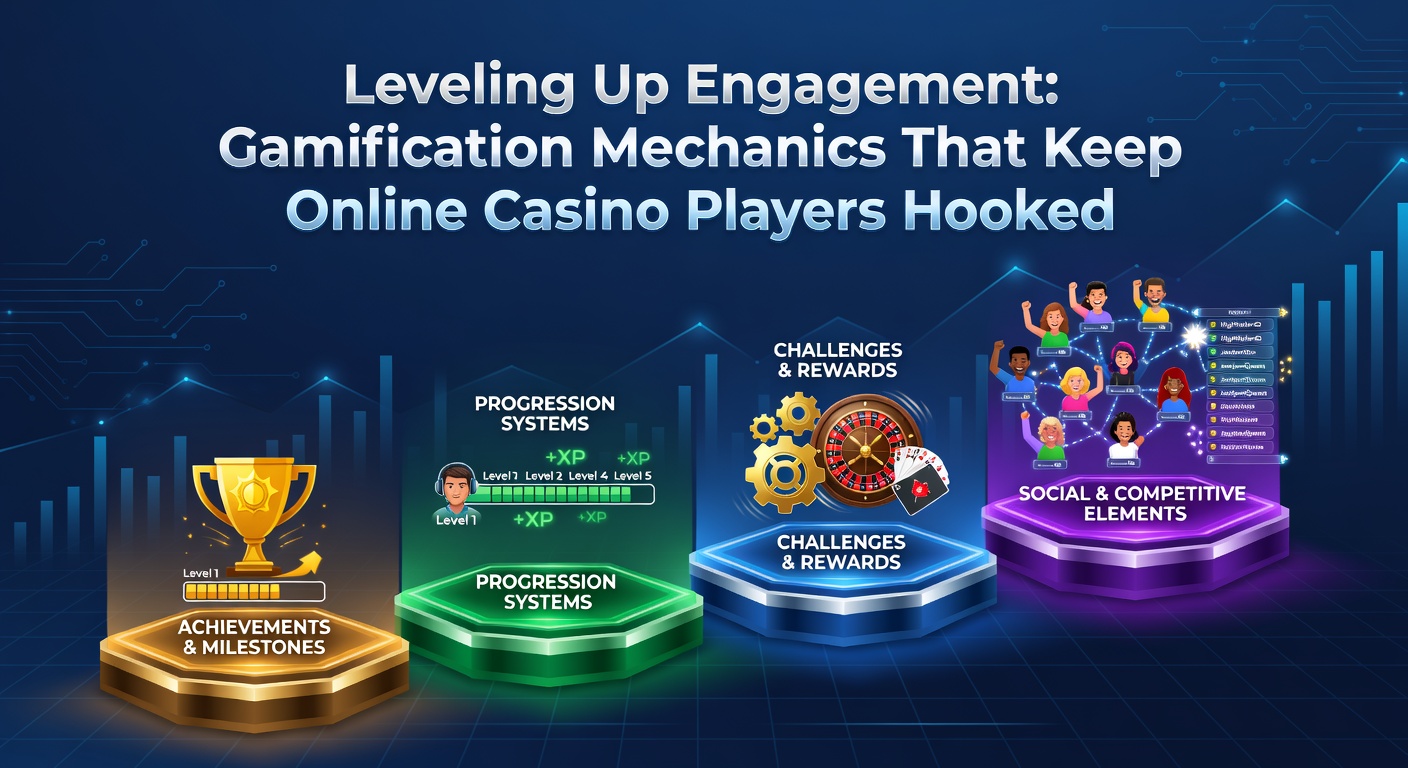
At the heart of many platforms sit leveling systems, where players earn experience points (XP) through bets, wins, or milestones, unlocking tiers that grant perks like higher withdrawal limits or exclusive games; one popular site reports players reaching VIP levels 25% faster with XP multipliers during peak hours. Research from the University of Nevada's gaming lab shows these mechanics increase daily logins by 40%, since progress bars visually signal how close someone gets to the next level, fueling that "just one more spin" urge.
Take a typical setup: a newcomer starts at Bronze, climbs to Silver after 1,000 XP from wagers, and hits Gold with bonus challenges; along the way, platforms offer teaser previews of rewards, which studies indicate boost completion rates by 35%. But here's the thing—developers calibrate XP gains to match wager volumes, ensuring fairness under random number generator standards, while regulators in places like Ontario monitor for balanced progression.
Badges adn Achievements: Milestones That Motivate
Badges pop up as digital trophies for specific feats—hitting 100 spins on a slot, chaining five blackjack wins, or wagering across 10 game types—and platforms award them instantly, often with animations and sounds that mimic console games. Data from a 2025 Swedish gambling research institute survey indicates players collect an average of 12 badges per month, correlating with 22% higher retention; those who've studied user behavior note how stacking badges creates personal galleries, prompting shares on social feeds.
Platforms layer rarity into the mix—common ones for easy wins, epics for tough grinds like "High Roller Hour" during 2 a.m. sessions—and this scarcity drives pursuit, much like rare Pokémon cards. Turns out, one case from a Canadian operator saw badge hunters return 50% more frequently, as tracked in their internal metrics released to the iGaming Ontario oversight report.
Leaderboards and Tournaments: The Competitive Edge
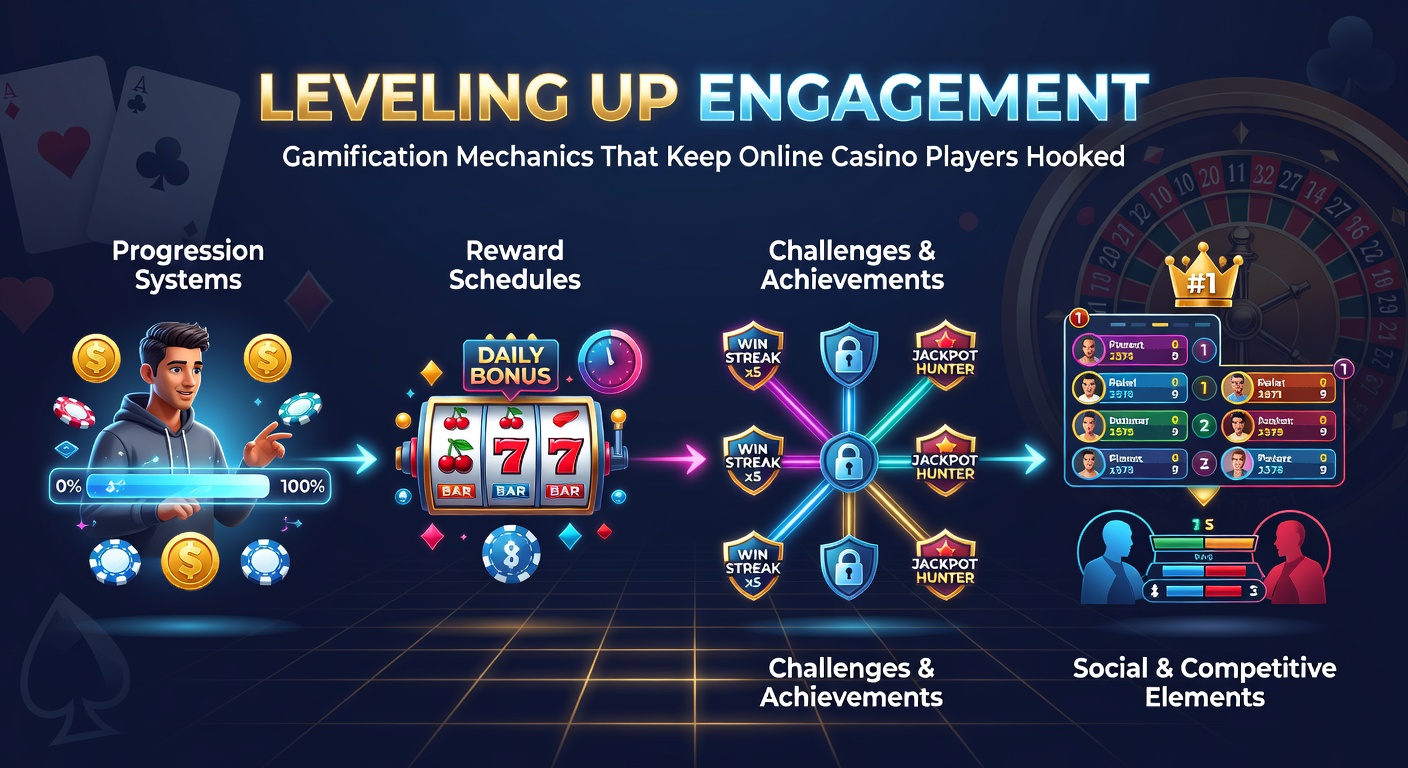
Leaderboards rank players by weekly points or tournament scores, updating live to spark rivalries; in slot races, top finishers snag cash prizes, and figures from Australian gambling studies show participation jumps 60% when friends appear on the same board. Tournaments bundle this with time limits—say, 24 hours to amass spins on featured games—drawing crowds; one event in early 2026 pulled 50,000 entrants across EU platforms, per industry trackers.
Social twists amplify it: invite-a-friend bonuses climb leaderboard spots, while clan systems let groups compete collectively; observers point out how this mirrors esports, extending play sessions by 28%, as per data from Down Under's gambling research centre. Yet platforms cap entries to manage server loads, keeping the thrill accessible without chaos.
Daily Quests and Streaks: Building Habits
Daily quests task players with simple goals—log in, bet on roulette, try a new provider—and reward free spins or deposit matches; streaks for consecutive days multiply these, with one platform noting 70% of users maintain seven-day runs. Research indicates these micro-commitments raise lifetime value by 18%, since they normalize frequent visits; people often find themselves chasing that 30-day flame icon, even on lighter play days.
Social and Collectible Features: Beyond Solo Play
Gamification extends to social hubs where players trade virtual items or join raids on boss-level jackpots; collectibles like themed card sets unlock bonuses when completed, and a 2025 EU gaming association report links them to 15% uplifts in referral traffic. Wheel spins for random loot—loyalty points, multipliers—add unpredictability, mirroring mobile battle royales; platforms report 40% of spins come from these dailies.
Now, in April 2026, operators roll out AR integrations for badge hunts via apps, blending real-world steps with casino quests; early pilots in Nevada show 25% engagement spikes, as players scan QR codes at partner venues for XP boosts. That's where the rubber meets the road for hybrid experiences.
Case Studies: Real-World Wins
Consider Betway's 2024 overhaul: introducing tiered leaderboards and quest chains lifted active users by 32%, with Q1 2025 earnings calls citing gamification as the driver; players averaged 15 quests weekly, per their transparency logs. Another example comes from LeoVegas in Malta, where badge systems tied to live dealer tables increased table game shares from 20% to 38%, as detailed in operator benchmarks.
Across the Pacific, Australia's Stars Group experimented with streak multipliers during the 2025 Sydney casino expo, resulting in 45% retention gains among mobile users; experts who've analyzed the data highlight how region-specific quests—like AFL-themed slots—resonated locally. These cases underscore scalable mechanics that adapt to markets.
Balancing Act: Regulations and Player Protection
Regulators weave in safeguards; Australia's ACMA mandates clear progress disclosures, while Nevada's Gaming Control Board requires opt-outs for competitive features, ensuring mechanics don't pressure vulnerable users. Data shows 90% of players appreciate these toggles, per self-reported surveys, allowing personalized engagement.
Future Trends Shaping Gamification
AI personalization looms large, tailoring quests to playstyles—high-rollers get tournament invites, casuals see easy badges—and projections for late 2026 forecast 50% adoption, driven by machine learning advances. Cross-platform syncing lets progress carry from app to desktop, boosting convenience; one beta test reported 35% crossover logins.
Metaverse tie-ins emerge too, with virtual casino lounges hosting gamified events; early 2026 trials in Ontario drew 10,000 avatars nightly. Sustainability angles appear, like eco-badges for low-energy play modes, aligning with global pushes. The reality is, these evolutions keep the sector dynamic, with operators iterating based on real-time analytics.
Conclusion
Gamification mechanics have transformed online casinos from static betting hubs into dynamic playgrounds, where levels, badges, quests, and competitions drive sustained engagement; stats consistently show longer sessions, higher retention, and loyal player bases as outcomes. As April 2026 unfolds with AI enhancements and regulatory refinements, platforms continue refining these tools, balancing thrill with responsibility. Those in the industry know the writing's on the wall: gamification isn't just a trend—it's the standard that keeps players coming back, round after round.