Mapping the hidden pathways of player fund tracing through layered verification layers in approved digital wagering environments
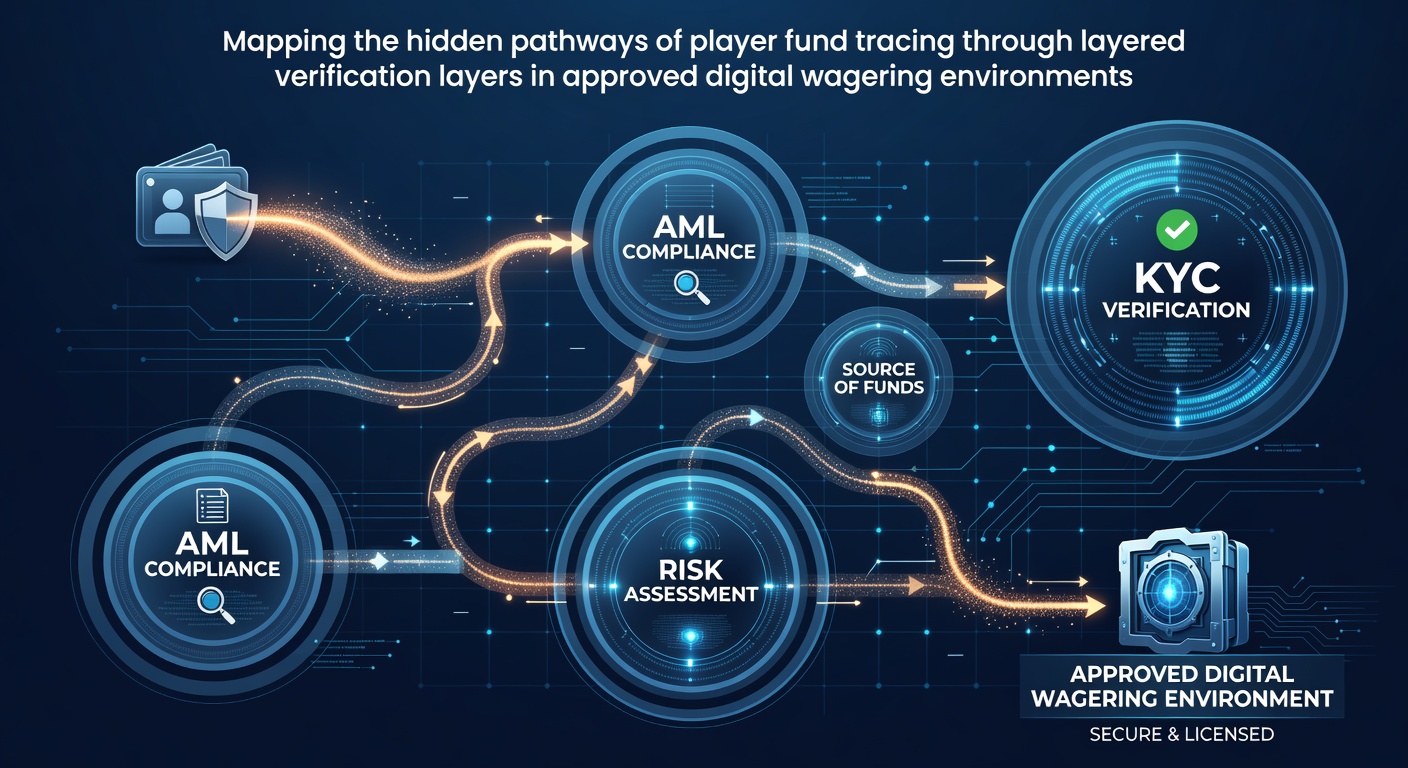
Approved digital wagering environments rely on structured systems that trace player funds across multiple verification stages, and these processes combine identity checks, transaction monitoring, and regulatory reporting to maintain compliance in jurisdictions worldwide. Operators integrate these layers to follow deposits from initial funding sources through betting activity and into withdrawal requests, while data patterns help identify any anomalies that surface during the journey. Research from regulatory bodies shows that such tracing methods have become standard practice because they connect player accounts to banking details, payment processors, and internal ledgers without interruption.
Core Components of Layered Verification
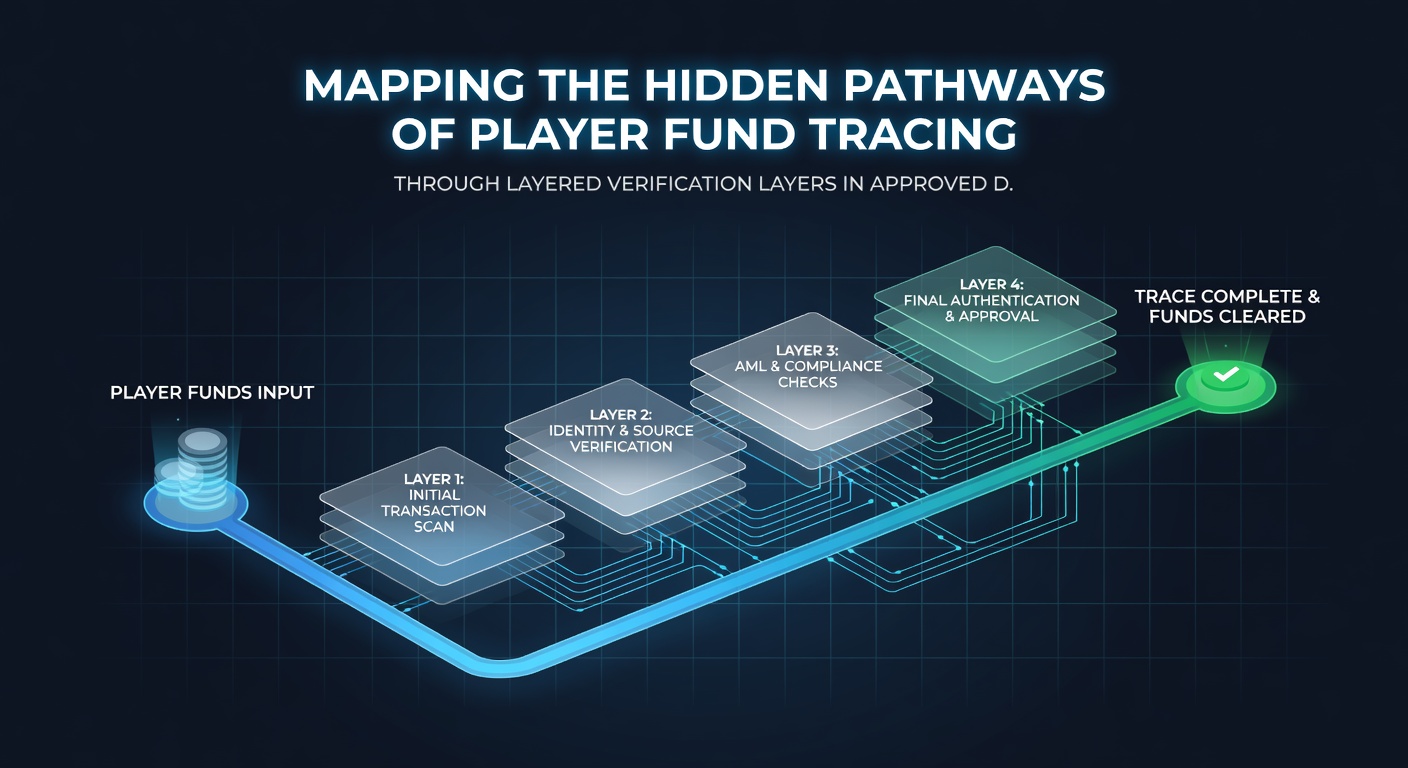
Verification begins at account creation when platforms collect government-issued identification, address records, and payment method confirmations, yet the process continues as funds enter the system through various channels including credit cards, e-wallets, and bank transfers. Subsequent layers examine betting patterns against deposit volumes, and algorithms flag rapid transfers or unusual stake sizes that deviate from established baselines for each account. Data indicates these checks operate in sequence so that any single layer failure triggers deeper review before funds advance further.
Payment processors add another dimension because they supply real-time authorization data that platforms cross-reference with internal risk scores, while internal compliance teams review aggregated reports monthly or quarterly depending on jurisdiction volume. Observers note that this multi-stage approach allows operators to maintain audit trails that regulators can access during inspections, and the trails cover every transaction from source to settlement. In May 2026 several platforms reported updates to their monitoring software that incorporated additional biometric confirmation steps at withdrawal stages, which strengthened linkage between accounts and verified users.
Tracing Mechanisms Across Deposit and Withdrawal Flows
Funds move through defined routes where each transfer receives a unique identifier that links back to the original deposit method, and these identifiers travel with the money as it converts into betting credits then back into withdrawable balances. Systems record timestamps, IP addresses, and device fingerprints alongside every action, which creates chronological maps that investigators can follow when questions arise about source legitimacy. Studies from industry reports reveal that such mapping reduces processing delays for legitimate players because pre-verified pathways bypass redundant checks once initial layers confirm consistency.
Withdrawal requests activate the final verification tier because platforms must match requested amounts against cleared deposits and winnings, then confirm that no restrictions apply from responsible gambling tools or pending disputes. When discrepancies appear the system pauses the transaction and routes it for manual examination, yet most requests clear automatically when all prior layers align without conflict. Those who've analyzed transaction logs across multiple operators find that the combination of automated flags and human oversight catches the majority of issues before they reach regulatory reporting thresholds.
Regulatory Frameworks and Reporting Standards
Jurisdictions impose specific requirements on how operators document fund pathways, and these rules differ by region yet share common elements such as mandatory record retention periods and periodic submission of suspicious activity summaries. The Australian Transaction Reports and Analysis Centre maintains guidelines that emphasize continuous monitoring of high-volume accounts, while similar expectations appear in North American and European licensing conditions that require detailed audit access. Operators must retain transaction data for several years, which allows authorities to reconstruct fund movements long after events occur.
Industry associations like the European Gaming and Betting Association publish compliance frameworks that members adopt to standardize tracing procedures across borders, and these documents outline best practices for integrating verification layers without disrupting player experience. Figures from regulatory filings show that platforms using integrated systems submit fewer manual reports because automated detection handles routine anomalies, leaving staff to focus on complex cases that require contextual judgment. What's interesting is how these standards continue to evolve with new payment technologies that introduce additional data points into existing tracing maps.
Implementation in Live Operational Environments
Operators deploy software that connects verification layers into unified dashboards, and these tools display fund status across deposit, play, and payout phases in real time for compliance staff. When a player initiates a deposit the system immediately validates the payment source against known lists, then assigns risk categories that determine how many subsequent layers activate before betting credits become available. Large operators handle thousands of such transactions daily, which demonstrates why automated mapping has become essential for maintaining both speed and accuracy.
Case examples from licensed markets illustrate how layered systems identify patterns like repeated small deposits from multiple sources that later consolidate into larger withdrawals, and these patterns prompt additional source-of-funds requests before further activity proceeds. Platforms in regulated Canadian provinces have adopted similar models that align with provincial gaming authorities, which require documented proof that all player funds originate from verified channels. The reality is that successful implementation depends on seamless data sharing between payment providers, operators, and regulators, yet technical integrations continue to improve through standardized APIs.
Conclusion
Player fund tracing through layered verification has developed into a coordinated process that spans account setup, transaction monitoring, and final settlement in approved digital wagering environments. Multiple data sources and sequential checks create comprehensive records that satisfy regulatory demands while supporting efficient operations for both players and operators. As payment methods and monitoring technologies advance, the pathways become more detailed yet remain grounded in the same core principles of verification and documentation that define compliant markets.