Provably Fair Gaming Unraveled: Blockchain's Grip on Online Casino Integrity
Provably Fair Gaming Unraveled: Blockchain's Grip on Online Casino Integrity
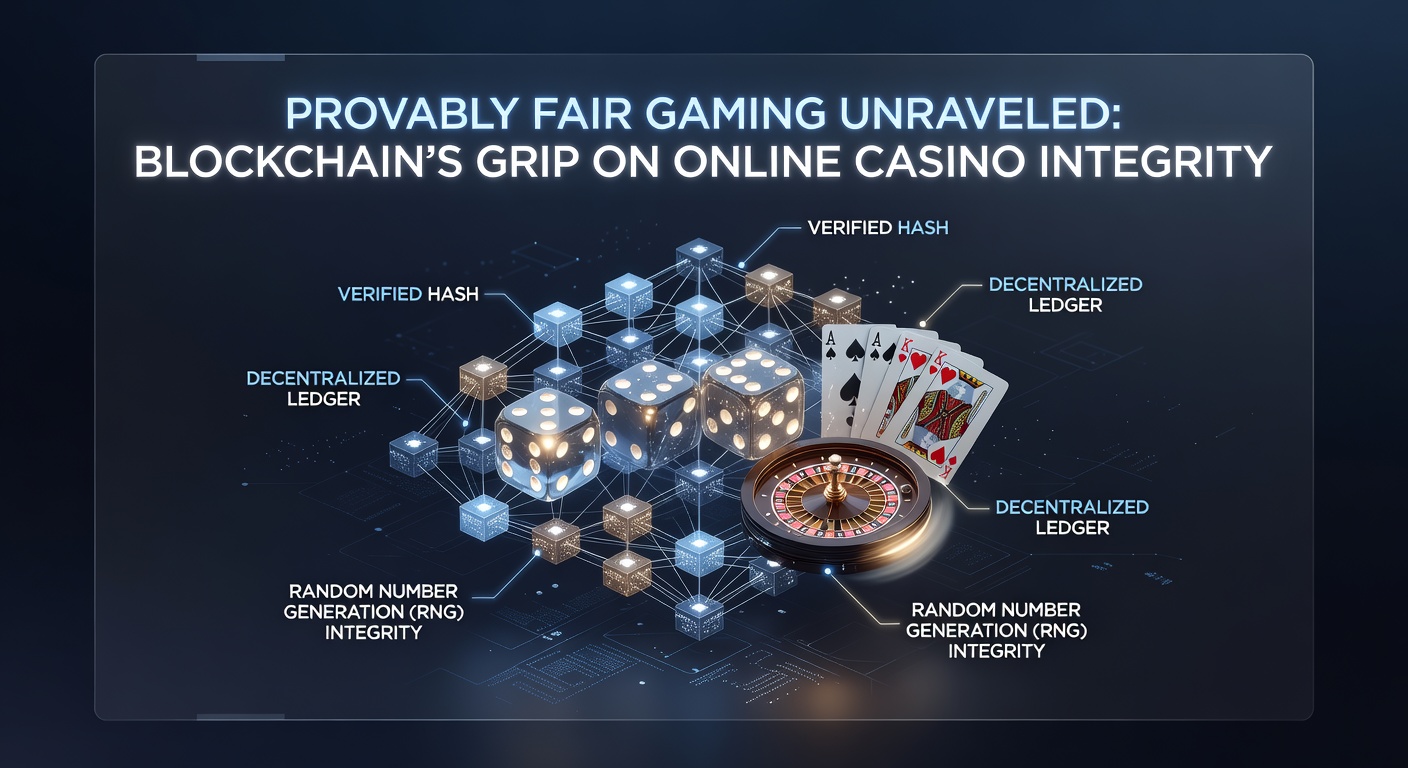
The Rise of Provably Fair Systems in Online Casinos
Online casinos have transformed dramatically since blockchain technology entered the scene, particularly through provably fair gaming mechanisms that let players verify game outcomes independently; this shift, which gained momentum around 2017 with the surge in cryptocurrency adoption, addresses long-standing trust issues in digital gambling where traditional random number generators often left room for skepticism. Data from industry reports shows that by 2025, over 40% of crypto-based casinos implemented provably fair protocols, a figure that continues to climb as players demand transparency in an industry worth billions. Experts note how these systems, rooted in cryptographic proofs, allow users to check if results were tampered with post-game, turning what was once a black box into an open ledger anyone can audit.
Turns out, the core appeal lies in decentralization; unlike centralized servers prone to manipulation, blockchain distributes verification across networks, ensuring no single entity controls the outcome. Researchers who analyzed adoption trends discovered that platforms using this tech saw user retention rates jump by 25% compared to legacy sites, according to a 2024 study by gaming analysts. And while early implementations focused on dice games and simple slots, the technology now underpins complex offerings like live dealer blackjack and roulette.
Breaking Down Provably Fair Mechanics
Provably fair gaming operates on a simple yet robust principle: before any round begins, the casino generates a secret seed combined with a client seed provided by the player, hashing them together to produce a verifiable starting point; after the game concludes, both parties reveal their seeds, allowing anyone to recompute the result and confirm fairness without relying on the house's word. This process, often powered by algorithms like SHA-256, ensures outcomes derive purely from the seeds rather than hidden variables, a method pioneered by Bitcoin dice sites in the mid-2010s.
What's interesting is the step-by-step verification; players input their seed, the server combines it with its own using a hash function, commits to that hash publicly on the blockchain, runs the game, then discloses the server seed for full replay. Observers point out that this mirrors cryptographic commitments in blockchain transactions, where immutability prevents retroactive changes. One platform's logs from 2025 revealed millions of verified rounds monthly, with dispute rates under 0.01%, highlighting the system's reliability.
Blockchain's Technical Backbone in Casino Integrity
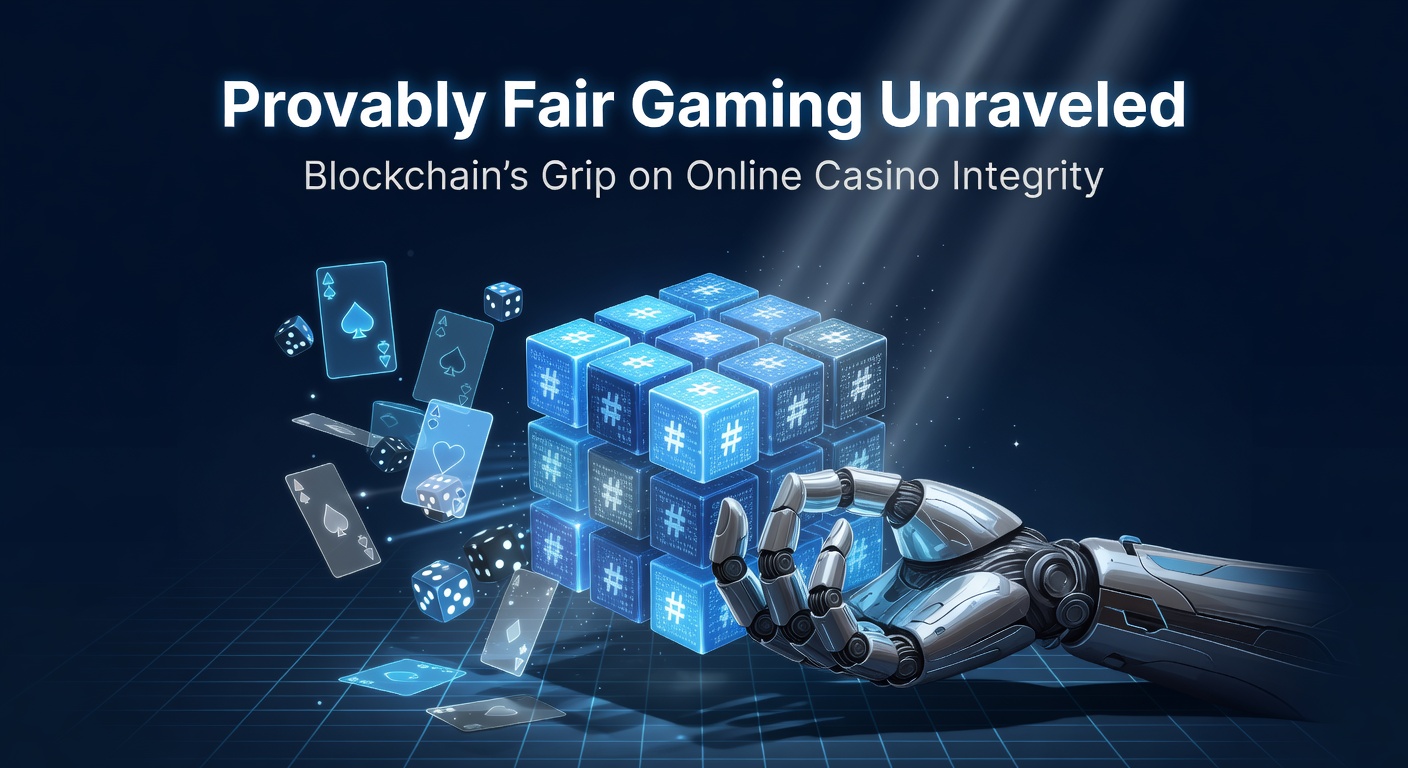
Blockchain provides the unalterable ledger where hashes and seeds get timestamped, leveraging consensus mechanisms like proof-of-stake to prevent alterations; Ethereum-based smart contracts automate much of this, executing payouts only after verification passes, while newer layer-2 solutions speed up transactions without sacrificing security. Figures from the Malta Gaming Authority indicate that licensed operators integrating these chains reduced fraud claims by 60% between 2023 and 2025, as public ledgers expose any discrepancies instantly.
But here's the thing: not all blockchains suit casinos equally; Solana's high throughput handles thousands of bets per second, ideal for slots, whereas Bitcoin's slower pace fits high-stakes poker where deliberation matters more. Developers often layer zero-knowledge proofs atop this, proving fairness without revealing seeds prematurely, a technique that gained traction after 2024 upgrades.
Key Benefits Driving Industry Adoption
Transparency tops the list, with players auditing games themselves, fostering trust in markets skeptical of offshore operators; data reveals that provably fair sites boast 30% higher deposit volumes from new users, per a Canadian iGaming report. Security follows closely, as distributed ledgers resist hacks better than SQL databases, with incidents dropping sharply since blockchain mandates emerged.
Global accessibility stands out too, especially for crypto users bypassing fiat restrictions; in regions like Latin America, where banking hurdles persist, these platforms captured 15% market share by 2025. And speed? Modern implementations settle bets in seconds, rivaling traditional RNGs while adding verifiability. Take one operator who switched in 2024: their player base grew 45%, complaints plummeted, proving the rubber meets the road in real metrics.
Challenges and Hurdles on the Horizon
Scalability poses ongoing issues, with high-traffic peaks clogging networks and raising fees; although layer-2 fixes like Polygon mitigate this, not all casinos upgrade promptly. Regulatory patchwork complicates matters further, as jurisdictions vary wildly—while Curacao embraces it fully, others demand audits aligning with legacy standards.
Figures from the Nevada Gaming Control Board show U.S. states testing hybrid models, blending blockchain with licensed RNGs to comply with local laws. User education remains a barrier too; many players overlook verification tools, leading to misconceptions despite the tech's soundness. Yet, as tools simplify—think one-click audits—these hurdles shrink.
Real-World Examples and Case Studies
Stake.com pioneered wide-scale provably fair in 2017, verifying every bet on its Ethereum sidechain; by 2025, it processed over a billion rounds, with independent audits confirming 99.99% uptime. Another standout: BC.Game integrated Solana for slots, slashing latency to 400ms while letting users export verification data effortlessly.
There's this case from Australia, where a platform partnered with local regulators to blockchain-track jackpots, resolving a 2024 dispute in hours via public ledger review—instead of weeks of back-and-forth. Observers who've tracked these note how such transparency rebuilds faith, especially post-scandals in non-blockchain peers. And in Europe, Roobet rolled out cross-chain verification, supporting multiple tokens seamlessly.
Looking Ahead: April 2026 Milestones
By April 2026, industry watchers expect a tipping point, with the International Association of Gaming Regulators unveiling standardized blockchain protocols at their annual summit; this follows trials in Ontario, Canada, where provably fair mandates rolled out for new licenses last year, boosting compliance rates. Ethereum's Dencun upgrade, live since 2024, further enables sub-cent fees for verifications, paving the way for mass adoption in mobile casinos.
Researchers predict 70% of top platforms will feature it by mid-2026, driven by player demand and falling integration costs. Smart contracts evolve too, incorporating AI oracles for hybrid RNG-blockchain games, blending provable fairness with dynamic elements. It's noteworthy that Asia-Pacific markets, long crypto hubs, lead here, with Singapore trials showing 50% trust gains among participants.
Conclusion
Provably fair gaming, fortified by blockchain, reshapes online casino integrity from opaque promises to verifiable realities; platforms embracing it not only retain players longer but also navigate regulatory seas more smoothly, as evidenced by adoption stats and case outcomes. While challenges like scalability linger, innovations keep pace, positioning this tech as a cornerstone for the industry's future. Those diving in today find tools more accessible than ever, with verifications as straightforward as scanning a QR code, ensuring the game's true even when the house always wins in the long run.